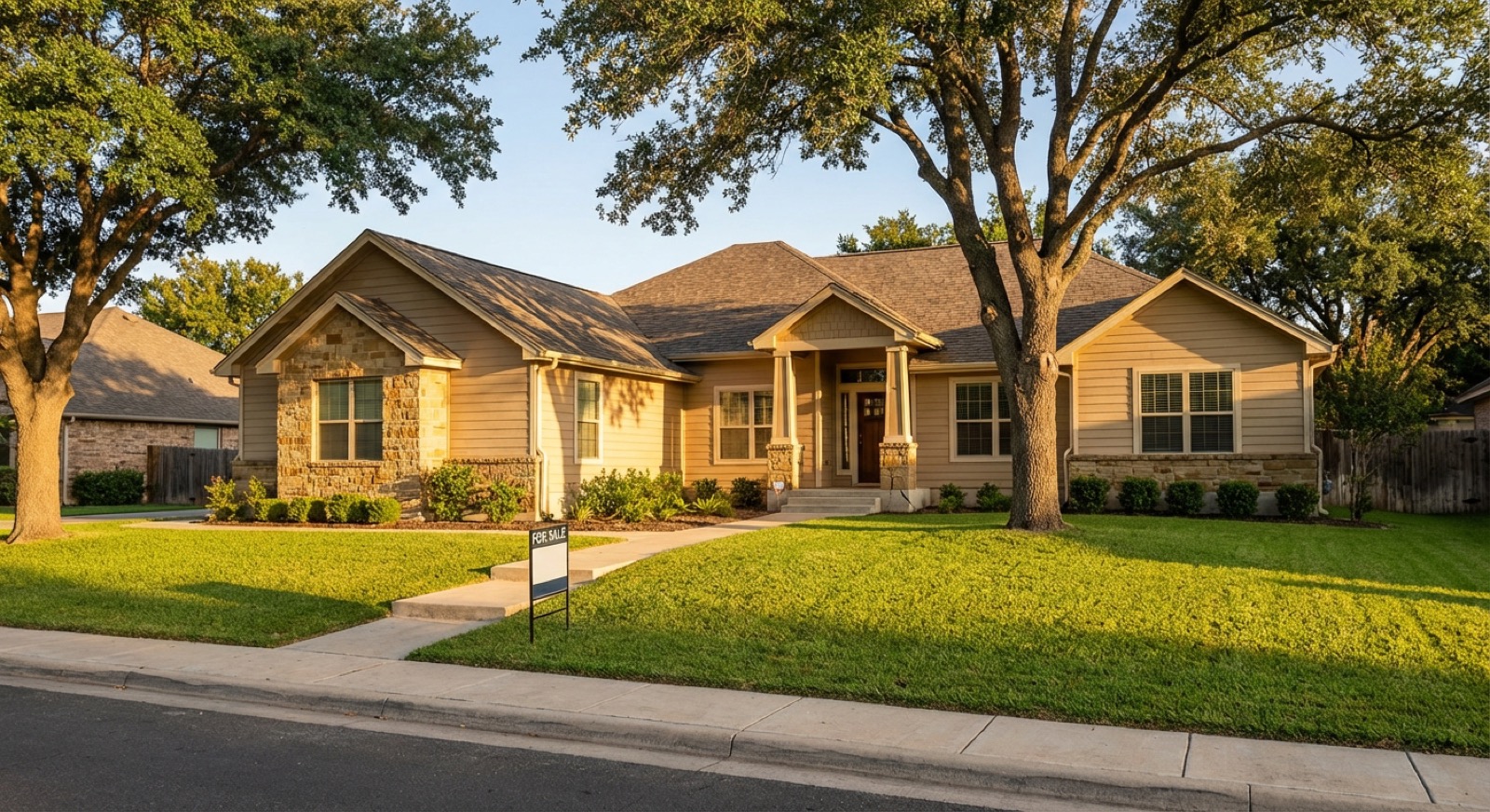
Roughly 60% of all homes in the United States are built on slab foundations. In states like Texas, Oklahoma, Alabama, Louisiana, and Florida, that number climbs above 80%. If you own a home on a slab, understanding what can go wrong -- and catching problems early -- can save you thousands of dollars and months of stress.
This guide covers every angle: why slab foundations develop problems, how to spot the warning signs, what repair options exist, how much you should expect to pay, and how to prevent issues before they start.
What Is a Slab Foundation?
A slab-on-grade foundation is a single layer of concrete, typically 4 to 6 inches thick, poured directly on the ground. Thicker sections called footings (usually 24 inches deep) run beneath load-bearing walls and the perimeter. The slab sits on a bed of gravel for drainage, and most modern slabs include a moisture barrier underneath.
Unlike pier-and-beam or basement foundations, a slab puts the entire bottom of the structure in direct contact with the soil. That is both its strength and its vulnerability. It is simple, cost-effective, and resistant to termites and flooding. But when the soil under the slab shifts, everything above it shifts too.
There are two main types of slab foundations:
- Conventional (reinforced) slabs -- Use rebar or wire mesh for reinforcement. The concrete resists compression; the steel resists tension. When the soil moves beyond what the reinforcement can handle, cracks develop.
- Post-tension slabs -- Use high-strength steel cables (tendons) that are tensioned after the concrete cures. This creates an active compression force that resists cracking. Common in Texas, Arizona, and California. They require different repair approaches (covered below).
Why Slab Foundations Fail
Slab foundations do not fail because of bad concrete. In the vast majority of cases, the problem is under the slab: the soil. Here are the primary causes, ranked by frequency.
Expansive Clay Soils
This is the number one cause of slab foundation damage in the United States. Expansive clays -- also called shrink-swell soils -- absorb water and expand, then dry out and shrink. That cycle creates massive upward and downward pressure on the slab.
The volume change can be dramatic. Some clays swell up to 10% when saturated and crack the earth when dry. This cyclical heaving and settling creates differential movement, where one section of the slab lifts while another drops. That differential is what causes visible damage.
Highest-risk states for expansive clay: Texas, Oklahoma, Alabama, Mississippi, Louisiana, Arkansas, Colorado, Wyoming, Montana, North Dakota, and South Dakota. The Texas Triangle (Dallas-Houston-San Antonio) sits on some of the most problematic clay soils in the country.
Plumbing Leaks Under the Slab
Water supply lines and drain lines run beneath slab foundations. When these pipes leak -- from corrosion, shifting soil, or age -- the water saturates the soil in a concentrated area. That localized swelling lifts one section of the slab while surrounding areas remain stable.
Slab leaks are especially destructive because they can run undetected for months. Signs include unexplained spikes in your water bill, the sound of running water when nothing is on, warm spots on the floor (hot water line leak), or mold smell without a visible source.
Poor Drainage and Water Management
Water pooling near the foundation is the most preventable cause of slab problems. When gutters are missing, downspouts discharge too close to the house, or the grading slopes toward the foundation instead of away from it, water saturates the perimeter soil. That uneven moisture creates differential settlement.
Flower beds along the foundation that get heavy irrigation are a common culprit. The soil next to the house stays wet while soil further out dries normally, creating a moisture imbalance that rocks the slab.
Tree Root Damage
Large trees within 20 feet of a slab foundation can cause two types of damage. First, roots can physically push against the foundation as they grow, especially in shallow soils. Second -- and more common -- roots extract moisture from the soil, causing it to shrink and pull away from the slab. This is called desiccation, and it creates voids beneath the foundation that lead to settling.
The highest-risk trees are those with aggressive, shallow root systems: willows, silver maples, elms, and cottonwoods. Live oaks -- extremely common in Texas -- have root systems that can extend 2 to 3 times the canopy width.
Inadequate Soil Compaction
If the builder did not properly compact the fill soil before pouring the slab, it will compress under the weight of the house over time. This is most common in homes built on former farmland, filled lots, or areas where significant grading was done before construction.
Drought Followed by Heavy Rain
Extended drought shrinks the soil beneath the slab, creating voids. When heavy rain arrives, the soil re-expands rapidly but unevenly. This wet-dry cycle accelerates foundation movement, and it is a major reason why foundation repair companies in Texas and Oklahoma see a surge in calls every spring.
Worried About Your Slab Foundation?
Get free quotes from up to 3 vetted foundation repair contractors in your area. Most offer free inspections and same-week scheduling.
Get Free QuotesWarning Signs of Slab Foundation Problems
Slab foundations telegraph problems through the structure above them. Here is what to look for, roughly in order from earliest indicators to more advanced damage.
Cracks in Floor Tile or Concrete
Ceramic and porcelain tile are rigid and brittle. When the slab beneath them shifts even slightly, tiles crack or pop loose. Look for cracks that run in straight lines across multiple tiles -- that pattern follows the stress line in the slab underneath. Cracks in exposed concrete floors, especially in garages, are another early indicator.
Uneven or Sloping Floors
Place a marble or ball on the floor in different areas. If it consistently rolls in one direction, the slab has differential movement. A slope of more than 1 inch per 15 to 20 feet typically requires professional evaluation. You may also notice that furniture wobbles or that rugs bunch up on one side.
Doors and Windows That Stick or Won't Latch
When the slab shifts, the framing above it goes out of square. Interior doors that suddenly drag at the top or won't latch, and windows that become difficult to open or close, are among the most common complaints homeowners report before discovering foundation issues.
Cracks in Drywall
Diagonal cracks radiating from the corners of door frames and windows at 45-degree angles indicate shearing stress from foundation movement. These are different from hairline settlement cracks, which are thin, vertical, and typically appear within the first 1 to 2 years of a new build. Stair-step cracks in brick exteriors follow the mortar joints and signal the same problem from outside.
Gaps Between Walls and Ceiling or Floor
Visible separation where walls meet ceilings, where trim pulls away from walls, or where baseboards lift off the floor all indicate structural movement. Measure and photograph these gaps -- if they are growing over time, the foundation is actively moving.
Plumbing Issues
Foundation movement stresses the pipes beneath the slab. Frequent drain clogs, sewage backups, or reduced water pressure can indicate that shifting soil has cracked or misaligned underground plumbing. This creates a compounding problem: the broken pipes leak, which further saturates the soil and accelerates the foundation damage.
Exterior Foundation Cracks
Walk the perimeter of your home and inspect the visible concrete foundation. Hairline cracks (less than 1/8 inch) are typically cosmetic. Cracks wider than 1/4 inch, horizontal cracks, or cracks that show displacement (one side higher than the other) warrant a professional inspection.
When to act immediately: If you notice a new crack that is wider than 1/2 inch, a crack that is actively growing (mark it with tape and check weekly), doors that no longer close, or a noticeable slope developing in your floor, do not wait. Foundation problems accelerate over time and cost more to fix the longer they are left.
Slab Foundation Repair Methods Compared
There is no single "best" repair method. The right approach depends on your soil conditions, the type of foundation movement (settling vs. heaving), access constraints, and budget. Here are the primary options.
Pressed Concrete Pilings
Pre-cast concrete cylinders (typically 6 inches in diameter, 12 inches long) are hydraulically pressed into the ground beneath the foundation until they reach stable soil or refusal. A concrete cap is placed on top, and the slab is lifted back to level using hydraulic jacks.
Best for: Moderate settling in clay soils. Very common in Texas, where most foundation repair companies use this as their default method.
Pros: Relatively affordable, fast installation (4-8 pilings per hour), no curing time needed.
Limitations: Does not reach bedrock in most cases. Relies on skin friction with surrounding soil, which means performance degrades in heavily saturated or drought-stricken soils. Typical depth is 8 to 12 feet.
Steel Push Piers (Resistance Piers)
Steel pipe sections are hydraulically driven through a bracket attached to the foundation footing, down to load-bearing strata or bedrock. The weight of the house provides the resistance needed to push the piers deeper. Once they reach stable soil, hydraulic jacks lift the foundation back to its original position.
Best for: Significant settling, deep unstable soil layers, or situations where bedrock is accessible. The premium choice for permanent stabilization.
Pros: Reaches depths of 25 to 75+ feet. Load-tested during installation. Manufacturers (like Foundation Supportworks and Ram Jack) typically offer lifetime transferable warranties.
Limitations: Highest cost per pier. Requires adequate structure weight for driving force. Not suitable for extremely lightweight structures.
Helical Piers
Steel shafts with helical plates (like giant screws) are mechanically rotated into the ground. Unlike push piers, they do not require the weight of the structure -- they derive support from the helical plates cutting into stable soil.
Best for: New construction stabilization, lighter structures, or sites where soil conditions prevent push pier installation. Also used for interior piers where access is limited.
Pros: Can be installed in tight spaces. Torque-monitored for verified bearing capacity. Work well in both settling and heaving scenarios.
Limitations: Not ideal in soils with large rocks or heavy gravel (the plates cannot cut through). Slightly more expensive than pressed pilings.
Polyurethane Foam Injection (Polyjacking)
High-density polyurethane foam is injected through small holes (about 5/8 inch) drilled in the slab. The foam expands to fill voids beneath the concrete and lifts the slab back to level. It cures in about 15 minutes.
Best for: Void filling, minor settlement, garage floors, driveways, pool decks, and slabs that have settled but where the underlying cause has been addressed.
Pros: Minimally invasive. Lightweight (does not add significant load). Fast -- most jobs completed in hours. Waterproof once cured.
Limitations: Does not address the root cause (soil instability). Not a substitute for piering when significant structural movement has occurred. Limited lifting capacity compared to piers.
Mudjacking (Slabjacking)
A cement-limestone slurry is pumped beneath the slab through 2-inch holes to fill voids and lift the concrete. This is the traditional predecessor to polyurethane injection.
Best for: Budget-conscious homeowners with minor settlement. Outdoor flatwork (driveways, patios, sidewalks) where aesthetics and longevity are less critical.
Pros: Least expensive lifting method. Uses natural materials.
Limitations: The slurry is heavy (adds load to already unstable soil), the 2-inch holes are more visible, and the material can wash out over time. Generally considered less durable than polyurethane foam. May need to be redone in 5 to 8 years.
| Repair Method | Cost Per Unit | Typical Total | Longevity |
|---|---|---|---|
| Pressed Pilings | $200 - $400 each | $3,500 - $7,000 | 10 - 15+ years |
| Steel Push Piers | $950 - $1,500 each | $8,000 - $18,000 | Lifetime |
| Helical Piers | $1,000 - $1,800 each | $8,500 - $20,000 | Lifetime |
| Polyurethane Injection | $5 - $25 per sq ft | $2,000 - $6,000 | 5 - 10 years |
| Mudjacking | $3 - $10 per sq ft | $500 - $2,500 | 5 - 8 years |
Tunnel vs. Breakout Repair Access
When piers need to be installed on the interior of a slab foundation (not just the perimeter), the crew needs to access the soil beneath your slab. There are two approaches, and which one your contractor recommends will significantly affect disruption and cost.
Breakout Method
The concrete slab is jackhammered open in the areas where interior piers need to go. After pier installation, the concrete is patched. This is the faster and less expensive option, but it means living with construction noise, concrete dust, and temporary holes in your floor.
Tunnel Method
Workers dig access tunnels from the exterior of the foundation to reach interior pier locations. The tunnels are typically 3 feet wide and 3 feet deep, running beneath the slab. After work is complete, the tunnels are backfilled with compacted soil or lean concrete.
Tunneling Advantages
- No damage to interior flooring (tile, hardwood, carpet)
- Less dust and disruption inside the home
- Can be done while you continue living normally
- Allows access for plumbing repair at the same time
Tunneling Disadvantages
- Costs 30-50% more than breakout
- Takes 2-3 days longer
- Not feasible for all pier locations
- Requires adequate space around the perimeter
In general, tunneling is worth the extra cost when you have expensive interior finishes (tile, hardwood, custom flooring) that would cost more to replace than the tunneling premium. Most Texas foundation repair companies offer both options.
Post-Tension Slab Considerations
Post-tension (PT) slabs use high-strength steel cables embedded in the concrete that are tensioned to 33,000 psi after the slab cures. This active compression makes PT slabs stronger and more crack-resistant than conventional slabs. But they come with specific repair challenges that every homeowner should understand.
Why PT Slabs Are Different
- You cannot cut into a PT slab without extreme caution. Cutting a tensioned cable releases enormous stored energy and can cause catastrophic failure. Any plumbing repair, interior pier installation, or remodeling that involves cutting the slab requires a cable locate scan (ground-penetrating radar or X-ray) first.
- Interior breakout repair is risky. Most reputable contractors will strongly recommend tunneling over breakout for PT slabs to avoid accidentally severing a cable.
- PT slabs still settle. The cables resist cracking, not settlement. If the soil beneath the slab moves, the entire slab can settle as a unit (bowl-shaped depression) or tilt. The repair methods are the same (piers), but the access approach differs.
How to identify a post-tension slab: Look for small rectangular or circular knockouts along the edges of the slab (where cables were tensioned and then capped). There may also be a warning stamp in the garage floor reading "CAUTION: POST-TENSIONED CONCRETE -- DO NOT CUT OR CORE." If your home was built after 1990 in Texas, Arizona, California, or Florida, there is a good chance it sits on a PT slab.
Have a Post-Tension Slab?
PT slabs require contractors with specific experience. Get matched with foundation repair companies that handle post-tension foundations.
Find PT SpecialistsHow Much Does Slab Foundation Repair Cost?
Slab foundation repair costs anywhere from $500 for minor crack injection to $25,000 or more for comprehensive pier installation on a large home. The average homeowner pays between $3,500 and $8,000. Here is what drives the price.
Primary Cost Factors
- Number of piers required. This is the single biggest variable. A small section of settling might need 4 to 6 piers. A full perimeter job on a 2,000 sq ft home could require 15 to 25 piers.
- Pier type. Steel push piers cost 3 to 4 times more than pressed concrete pilings. Helical piers fall in a similar range to steel push piers.
- Interior vs. perimeter only. Interior piers add cost due to access (breakout or tunneling). Tunneling adds 30 to 50% to the interior pier cost.
- Depth to stable soil. In areas where bedrock is 60+ feet deep, steel piers require more sections, increasing material and labor costs.
- Local market rates. Foundation repair in Dallas-Fort Worth averages 15 to 20% less than the national average because of heavy competition. Markets with fewer contractors charge more.
- Accessibility. Tight spaces, steep lots, or obstructions (decks, landscaping, utilities) that require additional labor to work around.
What to Budget For Beyond the Repair
The pier installation is rarely the only cost. Plan for these related expenses:
- Structural engineer assessment: $300 to $600. Not always required, but highly recommended for an unbiased evaluation before committing to a contractor's scope of work.
- Plumbing test and repair: $150 to $500 for a hydrostatic test. If pipes are damaged, repair adds $500 to $4,000 depending on the extent.
- Cosmetic repairs: Drywall patching, door refitting, tile replacement. Budget $1,000 to $3,000 for a typical home.
- Drainage correction: If poor drainage caused the problem, fixing it prevents recurrence. French drains run $1,500 to $5,000.
Always get 3 quotes. Foundation repair pricing varies wildly between companies -- we regularly see 30 to 50% differences for identical scopes of work. Companies with lower overhead (no showrooms, smaller sales teams) often deliver the same quality at lower prices.
How Long Do Slab Foundation Repairs Take?
Most residential slab foundation repairs are faster than homeowners expect. Here are typical timelines.
- Crack injection (epoxy or polyurethane): 2 to 4 hours. Cures within 24 hours.
- Polyurethane foam lifting: 1 to 3 hours for a typical area. Cures in 15 minutes. You can walk on it the same day.
- Mudjacking: 2 to 4 hours. Allow 24 to 48 hours before driving on it.
- Pressed pilings (perimeter only, 10-15 piers): 1 to 2 days.
- Steel push piers (perimeter only, 10-15 piers): 1 to 3 days.
- Comprehensive repair with interior piers (breakout): 3 to 5 days.
- Comprehensive repair with interior piers (tunneling): 5 to 7 days.
You can typically stay in your home during all of these repairs. Perimeter pier work happens outside, so interior disruption is minimal. Even breakout work is localized to the specific pier areas. The crew will protect surrounding flooring and furniture.
After the repair, give your home 4 to 6 weeks to stabilize before doing cosmetic fixes like drywall patching and painting. Minor settling of the newly leveled slab is normal during this period.
How to Prevent Slab Foundation Problems
You cannot control what soil your home sits on, but you can control how much moisture variation that soil experiences. Keeping moisture levels consistent around your foundation is the single most effective preventive measure.
Manage Drainage
- Maintain gutters and downspouts. Clean gutters twice a year. Extend downspouts at least 4 to 6 feet from the foundation using splash blocks or underground drain lines.
- Grade the soil away from the foundation. The ground should slope at least 6 inches over the first 10 feet away from the house. If water pools near the foundation after rain, re-grade or install a French drain.
- Do not over-irrigate flower beds against the house. Landscape beds along the foundation should get moderate, consistent water -- not heavy soaking followed by dry periods.
Water the Foundation During Drought (Clay Soils)
This sounds counterintuitive, but in expansive clay areas it is standard advice from foundation engineers. When extended dry periods hit, the clay soil around your slab shrinks and pulls away, creating voids. A foundation watering program prevents this.
- Use a soaker hose placed 12 to 18 inches from the foundation, running along the perimeter.
- Water 15 to 30 minutes per zone, 2 to 3 times per week during drought. The goal is to keep the soil consistently moist (not saturated). The clay should not have visible cracks or pull away from the slab.
- Use a timer. Manual watering is inconsistent. A simple battery-powered hose timer costs less than $30 and prevents the kind of wet-dry cycling that damages foundations.
- Avoid watering only one side of the house. Uneven moisture is worse than uniformly dry soil. Water the full perimeter.
Manage Trees and Vegetation
- Plant large trees at least 20 feet from the foundation. For species with aggressive root systems (willows, elms, cottonwoods), increase that to 30 feet or more.
- Install root barriers between existing large trees and the foundation. These are vertical panels (typically 18 to 24 inches deep) that redirect roots downward instead of toward the slab.
- Remove dead or dying large trees near the foundation. When a tree dies, its roots stop extracting moisture. The soil re-hydrates and expands, which can cause heaving.
Maintain Plumbing
- Run a static plumbing test every few years. A plumber shuts off the water, reads the meter, waits 2 hours, and reads it again. Any movement indicates a leak. Cost: $75 to $150.
- Watch your water bill. An unexplained increase of more than 10 to 15% month-over-month could indicate a slab leak.
- Consider a whole-house leak detection system (like Flo by Moen or Phyn). These monitor water flow and shut off automatically if a leak is detected. Cost: $200 to $500 installed.
Annual Foundation Inspection
Walk your home's perimeter twice a year -- once in spring and once in fall. Check for new cracks, drainage issues, soil pulling away from the foundation, and any change in doors/windows operation. Catching a problem when it is minor means a $2,000 fix instead of a $12,000 fix.
Prevention Only Goes So Far
If you are already seeing signs of foundation movement, getting a professional inspection now is the most cost-effective step you can take. Problems do not fix themselves.
Get Free Inspection QuotesWhat to Do Next
If you have read this far, you probably suspect you have a foundation issue or you are doing your due diligence before buying a home. Here is a practical action plan:
- Document what you are seeing. Photograph cracks, gaps, and sticking doors. Measure crack widths with a ruler and write the date on painter's tape next to each crack so you can track growth.
- Get 3 contractor quotes. Foundation repair companies offer free inspections and estimates. Getting multiple opinions protects you from overselling and gives you a range for the scope of work. Ask each contractor what method they recommend and why.
- Consider a structural engineer. For $300 to $600, a licensed structural engineer provides an unbiased assessment. They do not sell repairs, so they have no incentive to exaggerate. This is especially valuable if contractor recommendations conflict or if the scope exceeds $10,000.
- Check warranties carefully. Ask whether the warranty is transferable (critical if you ever sell), what it covers and excludes, and what happens if the company goes out of business. Manufacturer-backed warranties (Foundation Supportworks, Ram Jack) survive even if the installing company closes.
- Address the root cause. Piers stabilize the foundation, but if you do not fix the drainage problem, plumbing leak, or moisture management issue that caused the movement, you will be dealing with related problems again.
Foundation repair is a significant investment, but it is one that protects the largest asset most families own. The earlier you act, the less it costs and the better the outcome.